
Living in New York City means making peace with small spaces, but even the most seasoned New Yorkers get tripped up when it’s time to clean and declutter NYC apartments that have quietly accumulated years of stuff. The process sounds simple enough, sort, toss, organize, but in practice, most people repeat the same avoidable mistakes over and over. If your last decluttering session left you exhausted and your apartment looking almost exactly the same, you’re not alone. Here’s what’s actually going wrong.
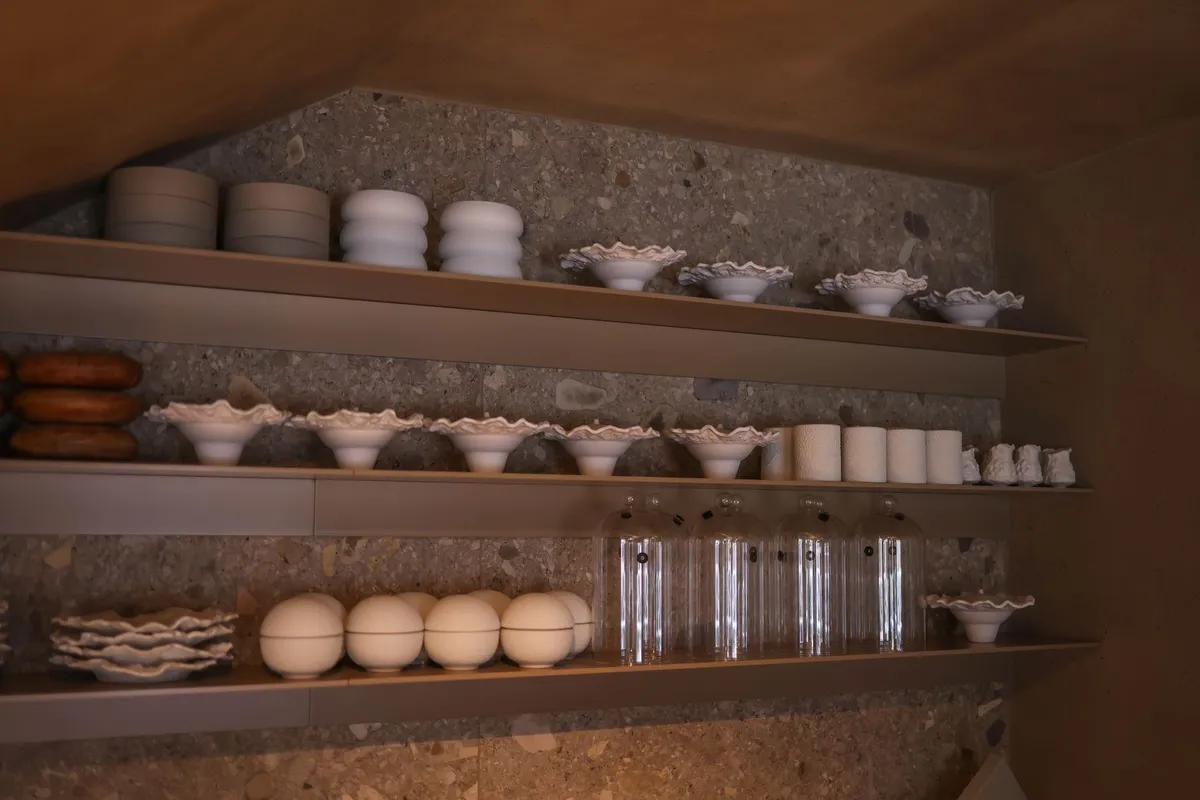
Trying to Eat the Whole Elephant in One Afternoon
The single biggest mistake New Yorkers make is treating a full apartment overhaul like a Saturday project. You wake up motivated, drag everything out of the closet, and by 2 p.m. you’re sitting on the floor surrounded by a bigger mess than you started with, and completely out of steam.
Decluttering a New York apartment is genuinely different from doing the same job in a suburban home. You’re not dealing with a garage or an attic where things are neatly separated. In a 600-square-foot apartment, your winter coats live next to your tax documents, which live next to your grandmother’s china. Everything is compressed and intertwined.
The fix is straightforward: work in zones, not rooms. Dedicate one session to a single category, clothing, paperwork, kitchen gadgets. Give yourself a hard stop time. Two focused hours beats eight chaotic ones every single time. If you’re curious about how neighborhood-specific factors in NYC can affect how you approach this, this piece on how neighborhood trends influence decluttering efforts is worth a read before you start.
Keeping Things “Just in Case” Is Costing You More Than You Think
New Yorkers are pragmatic people, which makes it ironic that the “just in case” mentality is so deeply embedded in how they hold onto things. That bread maker from 2019 that’s never been used? It’s staying because maybe, someday, you’ll make bread. The spare curtain rod for a window size you no longer have? Definitely keeping that.
The problem with “just in case” thinking in a city apartment is that the cost of storing something is real and immediate. Every square foot you surrender to things you don’t use is a square foot you’re paying Manhattan or Brooklyn rent prices for. When you frame it that way, that bread maker starts looking a lot less like a safety net and more like an expensive tenant who never pays rent.
A useful rule: if you haven’t touched something in 12 months and replacing it would cost you less than $30, it goes. The mental energy spent managing clutter almost always outweighs the replacement cost of the item you’re holding onto. People who’ve worked with professional organizers consistently say this shift in thinking, from “what if I need it” to “what is this actually costing me”, is the single most liberating part of the whole process.
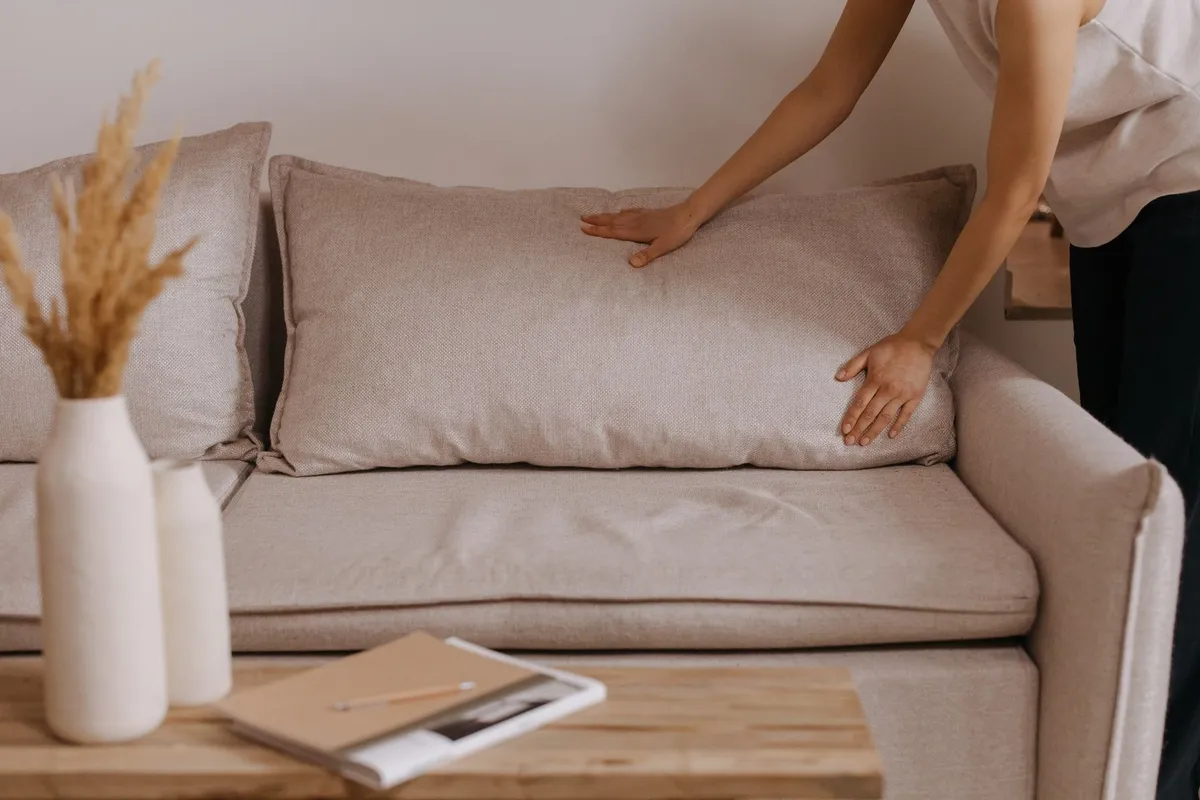
Skipping the Clean-First Step
Here’s something most decluttering guides gloss over: organizing a dirty space doesn’t work. You can spend hours sorting and categorizing, but if the surfaces underneath are grimy, the dust is embedded in the shelves, and the corners haven’t been touched in months, the whole effort feels hollow within a week.
Cleaning and decluttering are not the same thing, but they work best as a pair, and in a specific order. Clear the clutter first, then clean the space that’s been uncovered. Doing it the other way around means you’re cleaning around obstacles and missing half the surfaces anyway.
This is where a lot of people find real value in bringing in professional help. Clean and Declutter handles both sides of this equation across the city, from Brooklyn to Queens, which means the space doesn’t just look tidier, it actually gets clean in a way that lasts. Clients frequently mention that having someone handle the deep clean while they focus on decision-making makes the whole process feel manageable rather than overwhelming.
Treating Decluttering as a One-Time Event
This is probably the most honest thing anyone can tell you about getting your space under control: it’s not a project with a finish line. New York life is dynamic. You move, you acquire, you change jobs, you change seasons. Stuff accumulates constantly, and a single heroic weekend of sorting doesn’t hold back that tide for long.
The people who maintain genuinely organized apartments in this city treat it like a habit rather than an event. They do small passes regularly, a monthly check of the closet, a quarterly review of the kitchen, rather than waiting until the situation becomes unmanageable. It’s the same logic as staying on top of laundry versus doing six loads at once when you’ve run out of clean socks.
Building this rhythm is especially important if you’re approaching a transition, a move, a renovation, a new roommate. Getting ahead of the clutter before a big change is dramatically easier than dealing with it during one. If you’re heading into a move specifically, the essential steps for a stress-free move-in lay out exactly how to sequence everything so you’re not unpacking chaos into a new space.
The bottom line is that decluttering in New York isn’t about perfection, it’s about making your space work for the life you’re actually living right now. Avoid these mistakes, build better habits, and the whole thing becomes a lot less painful than that Saturday afternoon disaster you’re probably still recovering from.
Frequently Asked Questions
How long should I actually spend on a single decluttering session in my NYC apartment?
The article is pretty clear on this: two focused hours beats eight chaotic ones every time, so set a hard stop and stick to it. Pick one category, clothing, paperwork, kitchen gadgets, and don’t move on until that session is done. Dragging everything out at once is exactly what leaves you sitting on the floor surrounded by a bigger mess than you started with.
What’s the practical rule for deciding whether to keep something “just in case”?
If you haven’t touched the item in 12 months and replacing it would cost less than $30, it goes, that’s the specific threshold the article gives. The framing that actually helps is thinking about what storing it is costing you: in a Manhattan or Brooklyn apartment, every square foot has a real rent price attached to it. That bread maker you haven’t used since 2019 is essentially an expensive tenant who never pays.
Should I clean my apartment before or after I declutter it?
After, always clear the clutter first, then clean the surfaces that have been uncovered underneath. Cleaning around piles of stuff means you’re missing half the surfaces anyway, and the effort feels hollow within a week. The article specifically points out that cleaning and decluttering are not the same job, but they work best done in that exact order.
How is decluttering a small NYC apartment actually different from doing it in a bigger home?
In a 600-square-foot apartment, everything is compressed and intertwined, your winter coats are next to your tax documents, which are next to your grandmother’s china, all in the same closet. There’s no garage or attic where categories of things are naturally separated, which is why pulling everything out at once creates such immediate chaos. Working in zones by category rather than by room is the fix the article recommends for exactly this reason.
How often should I actually be going through my stuff once the apartment is organized?
The article recommends treating it as a regular habit rather than a one-time project, a monthly check of the closet and a quarterly review of the kitchen is the rhythm it describes. New York life means constant change: new jobs, new seasons, moves, roommates, and stuff accumulates right alongside all of it. Getting ahead of clutter before a big transition, like a move or renovation, is dramatically easier than dealing with it during one.