
If you’ve been putting off a major home overhaul because the whole process feels overwhelming, you’re not alone. For New Yorkers especially, the decision to clean and declutter NYC apartments, brownstones, and co-ops comes loaded with myths that make the job feel bigger, and harder, than it actually is. Some of these misconceptions are harmless. Others actively keep people stuck, living surrounded by stuff they don’t need, in spaces that feel smaller than they should. Let’s clear the air on a few of the most stubborn ones.

You Don’t Have to Do It All in One Weekend
This might be the biggest myth of them all. Somewhere along the way, decluttering became synonymous with a dramatic, exhausting two-day purge where you empty every closet, fill a dozen garbage bags, and collapse on the couch feeling victorious. For some people, that works. For most New Yorkers juggling jobs, kids, and a commute that eats half the day, it doesn’t.
The truth is that consistent, smaller sessions are often more effective and far less likely to lead to decision fatigue. Spend 20 minutes on a single kitchen drawer. Tackle one shelf in the hallway closet. Done. That’s real progress. When people try to do everything at once, they usually burn out halfway through, leave piles of half-sorted items on the floor, and feel worse than when they started.
Breaking the work into manageable chunks also gives you time to think clearly about what to keep. Rushed decisions often mean you either throw away things you’ll regret losing or hold onto things you’ll never actually use. Neither outcome is what you’re going for.
Keeping It “Just in Case” Is Costing You More Than You Think
The “just in case” mindset is deeply human. It’s also one of the main reasons NYC apartments fill up so fast. That extra set of dishes in case you host a big dinner. The box of cables for electronics you no longer own. The winter coat from 2014 that technically still fits.
Here’s the honest reality: most “just in case” items get used once every few years at best, and in a city where square footage is genuinely precious, storing them comes at a real cost, both financially and mentally. Clutter has a documented effect on stress levels. Living in a space packed with things you’re not using creates low-level anxiety that most people don’t even consciously register until the stuff is gone.
A useful rule of thumb: if you haven’t touched something in 12 months and replacing it would cost less than $30, let it go. The mental space you get back is worth far more than the item itself. If you’re genuinely unsure what to keep and what to release, this guide on essential items to keep when decluttering breaks it down in a practical, no-nonsense way.
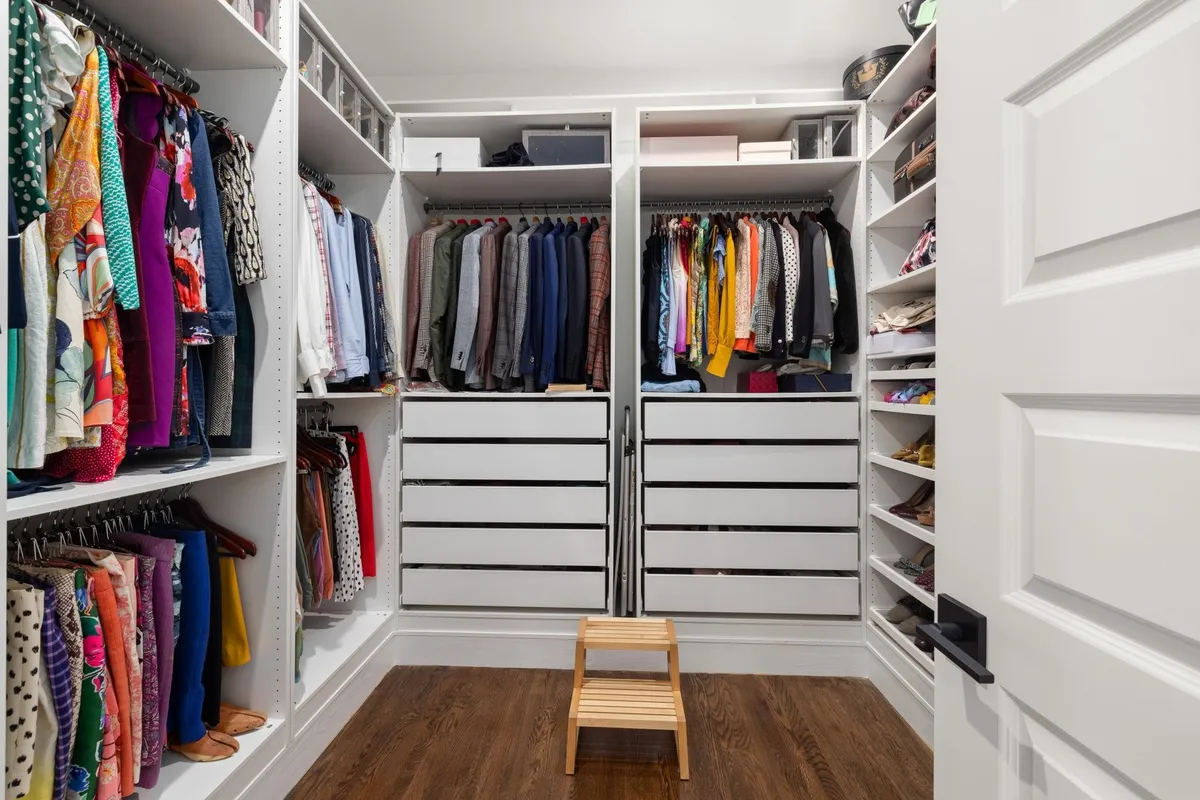
A Clean Space and an Organized Space Are Not the Same Thing
People confuse these two constantly, and it leads to a lot of frustration. You can have a spotlessly clean apartment that’s still completely disorganized, and vice versa. Cleaning removes dirt, grime, and bacteria. Decluttering and organizing address the volume and placement of your belongings. Both matter, but they require different approaches.
The mistake many people make is cleaning around their clutter instead of dealing with the clutter first. They wipe down counters that are covered in items that shouldn’t be there. They vacuum around boxes that have been sitting in the same corner for two years. Cleaning on top of clutter doesn’t make a space feel better, it just makes the mess slightly more sanitary.
The right order is always: declutter first, then clean. Once the excess is gone, cleaning becomes dramatically faster and more satisfying. Surfaces are actually clear. Floors are actually open. The whole apartment breathes differently.
At Clean and Declutter, this is something the team sees constantly across boroughs, from Brooklyn to Queens. Clients who tackle the volume of stuff first consistently report a more dramatic transformation than those who focus on cleaning alone.
Hiring Help Isn’t Giving Up, It’s Being Smart About Your Time
There’s a persistent idea that you should be able to handle all of this yourself, and that bringing in outside help is somehow an admission of failure. That thinking doesn’t hold up. New Yorkers hire people to walk their dogs, fix their plumbing, and file their taxes. Getting professional support for a major home project is no different.
What professional help actually provides isn’t just labor, it’s structure, accountability, and experience. A good team knows how to move through a space efficiently without the emotional friction that slows most people down when they’re sorting through their own belongings. They’ve seen every kind of apartment situation and they don’t bring judgment to the process, only practical solutions.
For anyone facing a move, a major life transition, or simply years of accumulated buildup, professional support can turn a project that’s been sitting on the mental to-do list for months into something that’s done in a day. If you’re preparing for a new chapter in a new space, this walkthrough of essential steps for a stress-free move-in is worth reading before you start.
The bottom line is this: the misconceptions around decluttering keep a lot of people stuck in spaces that drain rather than restore them. Getting clear on what’s actually true, and what’s just noise, makes the whole process less intimidating and a lot more doable.
Frequently Asked Questions
How short can a decluttering session actually be and still make a difference?
According to the article, even 20 minutes on a single kitchen drawer counts as real progress, you don’t need to block off a full weekend to move things forward. The key is consistency over time rather than one exhausting marathon session. Smaller sessions also give you space to make clearer decisions about what to keep instead of rushing through choices you’ll regret later.
Is there a practical rule for deciding whether to get rid of something I’m keeping “just in case”?
The article gives a specific rule of thumb: if you haven’t touched the item in 12 months and replacing it would cost less than $30, let it go. This applies to things like spare cables, extra dishes, or old coats that technically still fit but haven’t been used in years. In a city where storage space is genuinely limited, holding onto low-value items comes with a real cost, both in square footage and in the low-level stress that clutter creates.
What’s the right order, should I clean my apartment first or declutter first?
Declutter first, then clean, the article is direct about this. Cleaning around clutter, like wiping counters covered in stuff or vacuuming around boxes that haven’t moved in two years, only makes the mess slightly more sanitary without actually improving how the space feels. Once the excess is gone, cleaning goes faster and the results are noticeably more dramatic.
What’s the difference between having a clean apartment and having an organized one?
Cleaning removes dirt, grime, and bacteria, while decluttering and organizing deal with how much stuff you have and where it lives, they’re separate problems that need separate approaches. You can have a spotless apartment that’s still completely disorganized, and the two shouldn’t be confused. Treating them as the same thing is one of the main reasons people clean repeatedly without ever feeling like their space actually improves.
What does a professional decluttering team actually do that I can’t just do myself?
Beyond the physical labor, a professional team brings structure, accountability, and experience moving through a space without the emotional friction that slows most people down when sorting their own belongings. They’ve worked through every kind of apartment situation across the boroughs and don’t bring judgment to the process. For someone dealing with years of buildup, a move, or a major life change, that outside perspective can turn a project that’s been sitting on the mental to-do list for months into something finished in a single day.