Moving into a new apartment in New York City should feel exciting, but for most people, it feels like controlled chaos. Between coordinating movers, transferring utilities, and figuring out where the couch is going, the actual state of the space often gets overlooked until you’re already living in it. That’s exactly why so many New Yorkers turn to professionals who specialize in clean and declutter NYC services before the boxes even come off the truck. Getting ahead of the mess, and the stuff, makes everything that follows significantly easier.
Why Moving Into a “Clean” Apartment Is Never Really Clean
Here’s something landlords don’t advertise: the apartment you’re moving into has almost certainly been touched by a dozen hands, a few rushed turnovers, and at least one previous tenant who had very different standards of cleanliness than you do. A fresh coat of paint hides a lot, but it doesn’t sanitize baseboards, scrub inside kitchen cabinets, or get into the corners of bathroom tile grout.
Before you unpack a single box, it’s worth doing a full walk-through with a critical eye. Open every cabinet. Check under the bathroom sink. Pull out the refrigerator if it was left behind. What you find might surprise you, and what you don’t find (like mold or pest evidence) will give you real peace of mind.
This pre-move deep clean is also the single best time to do it. The space is empty. You have full access to every wall, floor, and surface without furniture blocking your way. Once you’re settled in, cleaning behind the stove becomes a twice-a-year event at best. Right now, it’s easy.
The Stuff You’re Bringing In Matters Just as Much as the Dirt You’re Cleaning Out
A move is one of the most powerful opportunities you’ll ever have to reset what you own. Most people pack everything they have, haul it across the city, and then spend the next three years tripping over things they didn’t need in the old place either.
Before anything gets loaded onto a truck, go through it. Be ruthless. New York apartments are not forgiving, every square foot counts, and storing things “just in case” in a 650-square-foot space is a recipe for feeling cramped from day one. If you haven’t used something in the past year and it doesn’t serve a specific purpose in the new space, it probably doesn’t need to make the trip.
If you’re unsure what’s worth keeping versus what’s just taking up space, this guide on essential items to keep when decluttering breaks it down in a way that’s practical and easy to apply, especially when you’re in the middle of a move and decision fatigue is real.
Furniture is the biggest culprit. That oversized sectional that worked in your last place may not fit through the door of the new one, or if it does, it might swallow the entire living room. Measure before you commit to moving anything large. Donate, sell, or arrange pickup for anything that won’t serve the new space well. The time to make those calls is before the move, not after.
Room by Room, Where to Focus Your Energy First
Not all rooms are created equal when it comes to move-in prep. Some spaces need more attention than others, and knowing where to start keeps the process from becoming overwhelming.
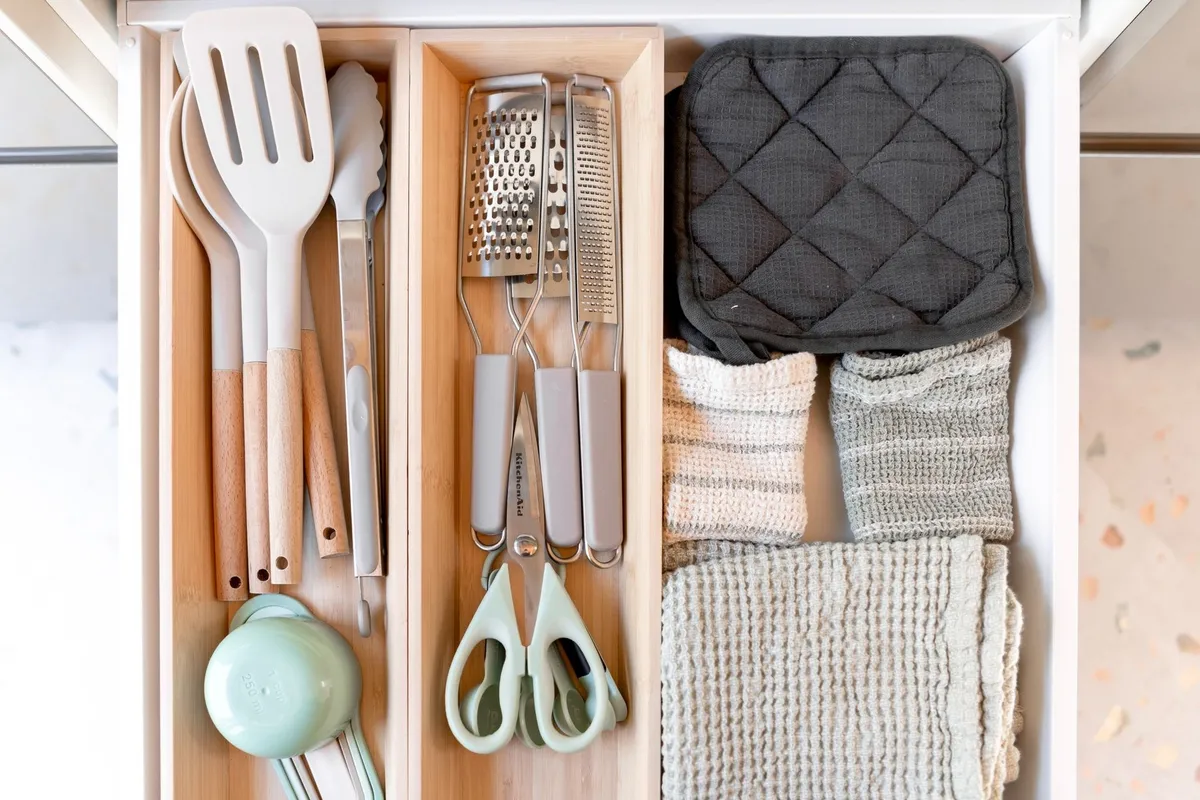
The kitchen is always the priority. It’s where food is prepared, where germs accumulate, and where the previous tenant’s habits are most visible. Wipe down every interior cabinet shelf before you put anything in them. Clean the oven thoroughly, even if it looks okay on the surface. Sanitize the sink and faucet. If the refrigerator was left, pull it out and clean behind it before plugging it in.
The bathroom comes second. Grout lines, the area around the toilet base, and the inside of the medicine cabinet all deserve attention. Replace the toilet seat if you want a truly fresh start, it’s a small expense that makes a real psychological difference.
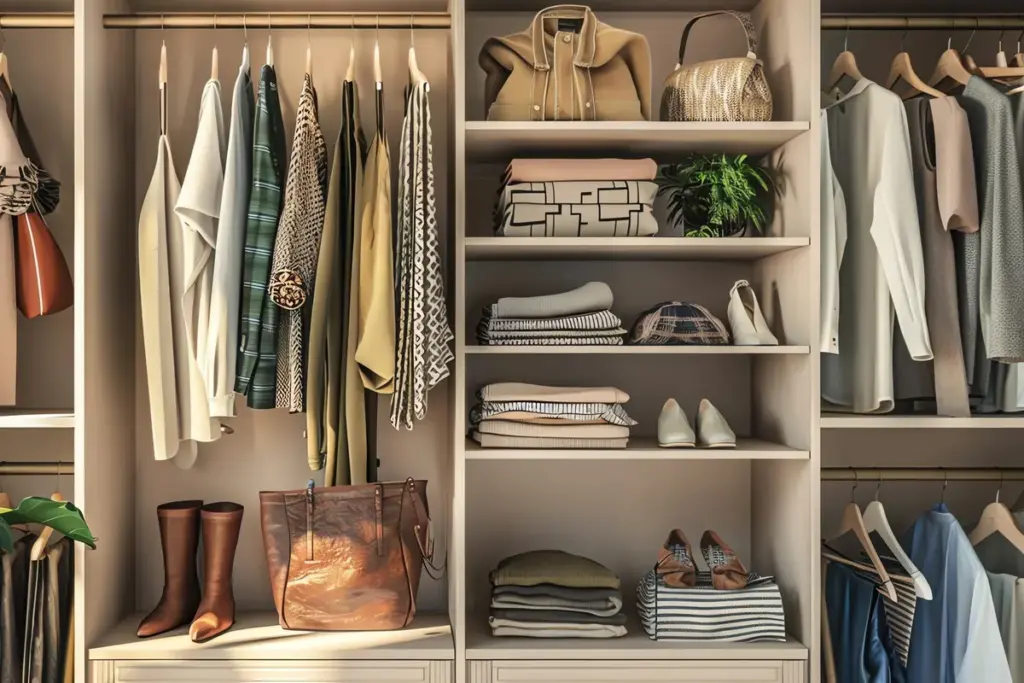
Closets and storage spaces are easy to ignore but shouldn’t be. Wipe down shelves, check for any signs of moisture or pests, and resist the urge to fill them immediately. Moving into a space with intentional, organized storage from day one is far better than cramming everything in and reorganizing six months later.
The team at organize your space has seen firsthand how much smoother a move goes when clients tackle the space systematically rather than all at once. Customers consistently mention how much less stressful the actual unpacking feels when they’ve already walked into a truly clean, organized environment, rather than discovering problems after the furniture is already in place.
Making the New Space Actually Feel Like Home
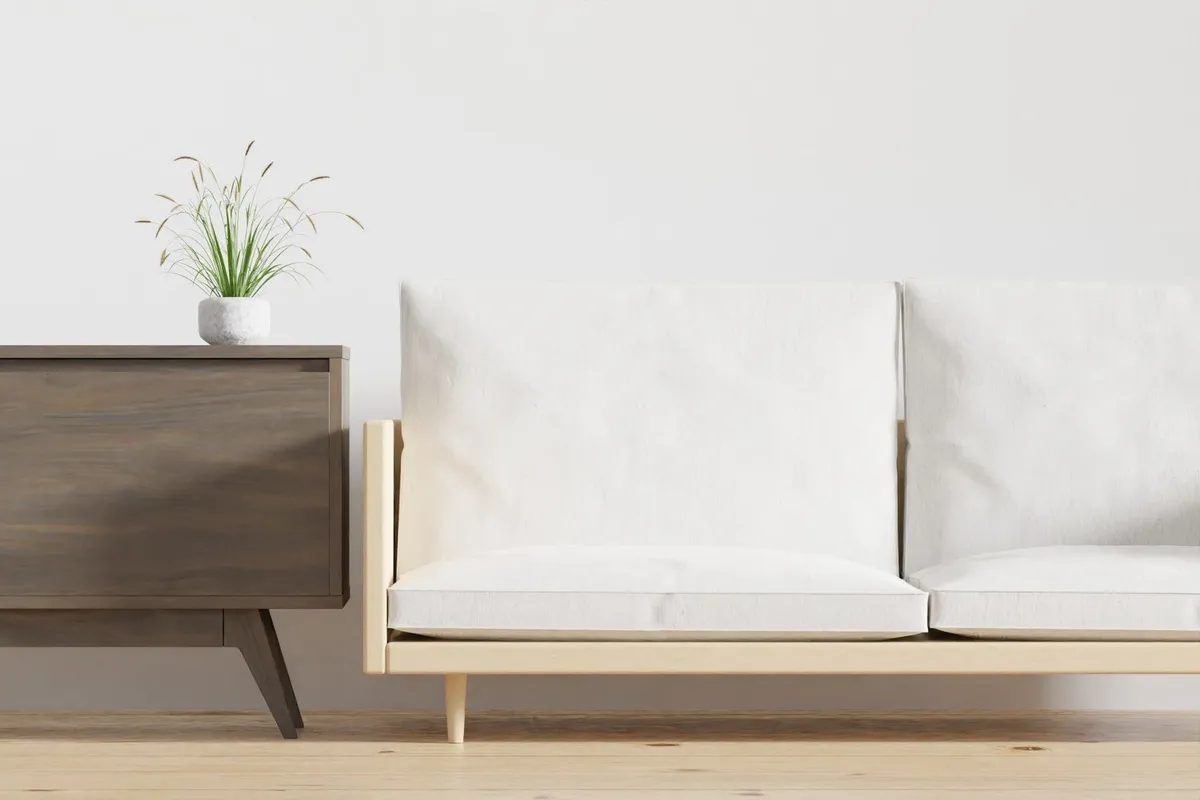
There’s a difference between an apartment that’s been cleaned and one that actually feels good to be in. The physical act of scrubbing and sorting is only part of it. The other part is intentionality, deciding from the start what kind of space you want to live in and setting it up that way.
Think about traffic flow. Where will you naturally walk when you come through the door? What do you want to see first? Where does clutter tend to accumulate in your daily life, and how can the layout of the new space work against that habit rather than with it?
If you’re moving into one of the city’s outer boroughs, the spatial dynamics can be quite different from Manhattan. A Brooklyn cleaning and decluttering project, for example, often involves brownstone layouts with unique storage challenges, narrow hallways, high ceilings, and older built-ins that need special attention.
The goal isn’t a perfect home on day one. It’s a clean, organized foundation that gives you room to breathe, settle in, and actually enjoy the process of making the space yours. That’s a much better starting point than unpacking into chaos and hoping it sorts itself out later, because in New York City, it never does.
Frequently Asked Questions
Is it really worth deep cleaning an apartment before I move my furniture in?
Yes, and the timing is the main reason, an empty apartment gives you full access to every wall, floor, and surface that furniture will later block for months or years. Cleaning behind the stove or inside kitchen cabinets becomes a rare, inconvenient event once you’re settled, but right now it takes minutes. That window closes the moment the first box comes off the truck.
What should I actually be looking for when I walk through a new NYC apartment before unpacking?
Open every cabinet, check under the bathroom sink, and pull out any appliances left behind, especially the refrigerator. You’re looking for mold, pest evidence, and the kind of buildup that a fresh coat of paint doesn’t touch, like grout grime, dirty cabinet shelves, and residue around the toilet base. Finding those things before your belongings are in place means you can deal with them properly instead of working around furniture.
Which rooms should I tackle first when prepping a new apartment?
Start with the kitchen, it’s where germs accumulate most and where the previous tenant’s habits are most visible, so wipe every cabinet shelf, clean the oven, and sanitize the sink before anything goes in. The bathroom is second, with grout lines, the area around the toilet base, and the medicine cabinet all needing real attention. Closets come after that; check them for moisture or pests before you start filling them up.
How do I decide what not to bother moving to the new place?
A practical starting point: if you haven’t used something in the past year and it doesn’t serve a clear purpose in the new space, it probably doesn’t need to make the trip. Furniture deserves the most scrutiny, measure doorways and rooms before committing to moving anything large, because an oversized sectional that worked in the old place can swallow an entire NYC living room. Donate, sell, or arrange pickup for anything that won’t fit the new space before moving day, not after.
Does it make a difference to replace the toilet seat in a new apartment?
The article calls it a small expense that makes a real psychological difference, and that’s an honest way to put it, it’s one of the cheapest ways to make a space feel genuinely yours rather than inherited. Combined with a proper scrub of the grout and the area around the toilet base, it turns the bathroom from a space you’re tolerating into one that actually feels clean. It’s the kind of detail that’s easy to skip and hard to stop noticing once you don’t.