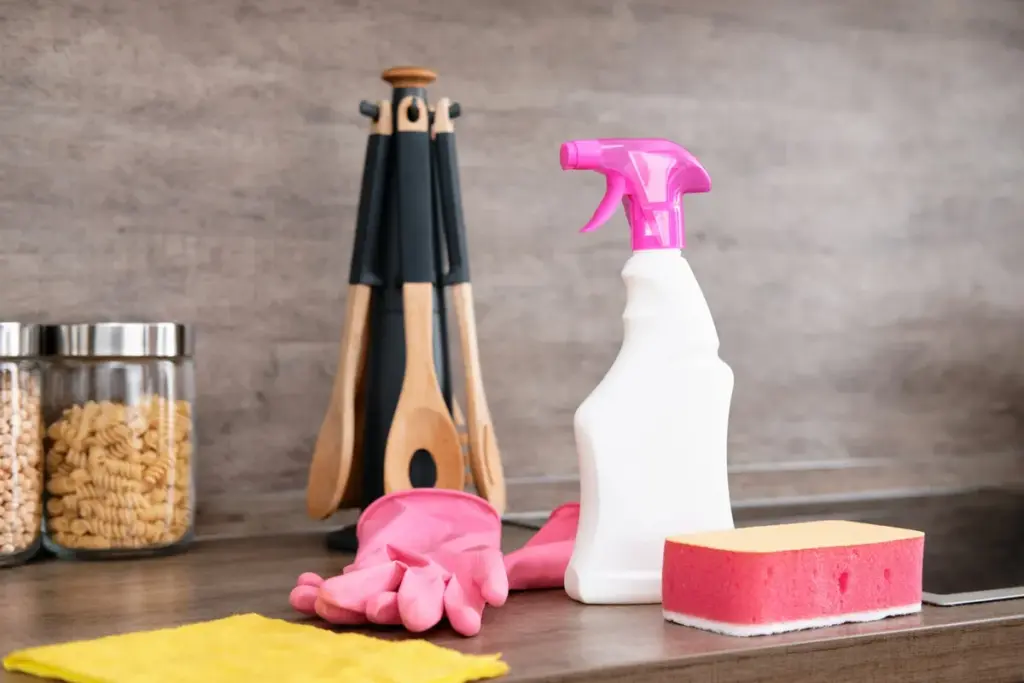
Moving in New York City is already one of the most stressful things a person can do, narrow staircases, freight elevator time slots, neighbors who are not exactly thrilled about the commotion. Adding the pressure of a thorough move in move out cleaning in NYC on top of all that logistics? It can feel completely overwhelming. But here’s the thing: getting this part right matters more than most people realize, both for getting your security deposit back and for starting fresh in a new space that actually feels like yours.
What Landlords Are Actually Looking For (And Where People Always Fall Short)
New York landlords have seen everything. They know every corner that tenants skip, every surface that gets a quick wipe instead of a real scrub. The areas that consistently cause deposit disputes are not the obvious ones, it’s rarely the living room floor. It’s the inside of the oven, the grease buildup behind the stove, the bathroom grout that has gone from white to something much less appealing, and the tops of kitchen cabinets that nobody ever looks at until move-out day.
Baseboards are another one. In a city where street dust and soot work their way into every apartment, baseboards collect a surprising amount of grime over a year or two. Wipe them down and you’ll see exactly what we mean. Window tracks are similar, they fill up with debris, dead insects, and years of city air, and they’re one of the first things a thorough landlord inspection will catch.
The practical lesson here: clean from top to bottom, literally. Start with ceiling fans, light fixtures, and the tops of cabinets. Work your way down to countertops, appliances, and furniture surfaces. Finish with floors. Doing it in reverse order means you’ll be re-cleaning surfaces you already handled.
The Rooms That Deserve More Time Than You Think
Kitchens and bathrooms are the two spaces that make or break a move-out inspection. In the kitchen, the refrigerator interior is often forgotten entirely, people defrost it and consider the job done. Pull out the shelves and drawers, wash them separately, and wipe down every interior wall. The dishwasher filter, if there is one, should be cleaned too. It’s a small detail that signals a tenant who actually took care of the place.
Bathrooms require a different kind of patience. Soap scum on shower walls, calcium deposits around faucets, and mildew in caulk lines all need specific cleaning approaches, not just a general spray and wipe. A grout brush and the right cleaning solution make a significant difference. If the bathroom has an exhaust fan, take the cover off and clean the dust out. It’s the kind of thing that gets noticed when it’s dirty and completely overlooked when it’s clean, which is exactly the point.
For anyone moving into a new apartment, this same level of attention pays off in a different way. You don’t know who lived there before or how thoroughly the previous tenant cleaned. Starting with a deep clean of your own gives you a baseline you can trust. If you want a practical framework for getting organized before you even unpack, this guide on stress-free move-in preparation for NYC apartments is worth reading before moving day.

Why NYC Apartments Present Challenges You Won’t Find Anywhere Else
Pre-war buildings, which make up a huge portion of the housing stock across Brooklyn, Queens, and Manhattan, come with their own cleaning complications. Crown molding collects dust in ways that modern apartments simply don’t. Radiators, especially the old cast-iron kind, trap years of dust and paint flakes. Hardwood floors with gaps between the boards hold debris that a standard vacuum won’t touch.
Then there’s the sheer density of city living. Apartments in New York tend to be used intensively. People cook more, spend more time indoors, and often have less ventilation than homes in other parts of the country. That means walls absorb more cooking odors and grease, and air quality inside the apartment reflects the air quality outside, which, depending on the neighborhood, can be significant.
The team at Clean and Declutter NYC works across the five boroughs and has seen firsthand how much variation there is from one building type to the next. A studio in a modern high-rise in Midtown requires a completely different approach than a three-bedroom in a Bed-Stuy brownstone. Local knowledge genuinely matters here, understanding the building stock, the common problem areas, and what landlords in different neighborhoods tend to prioritize during inspections.
If you’re curious about how your specific neighborhood factors into the cleaning and decluttering process, this piece on how neighborhood trends shape cleaning efforts across NYC offers some useful perspective.
The Checklist You Should Print Out Before You Start
Breaking the job into zones makes it manageable. Here’s a room-by-room approach that covers what actually gets inspected:
Kitchen: Clean inside and outside of all appliances, including the oven, microwave, refrigerator, and dishwasher. Degrease the stovetop, hood, and the wall behind the stove. Wipe cabinet interiors and exteriors. Clean the sink and faucet thoroughly, including around the base where buildup collects.
Bathrooms: Scrub tile, grout, and caulk lines. Remove calcium deposits from faucets and showerheads. Clean the toilet completely, including behind and underneath. Wipe down all cabinet surfaces inside and out. Clean the mirror and any light fixtures.
Living areas and bedrooms: Dust all surfaces including baseboards, window sills, and window tracks. Wipe down doors and door frames, fingerprints around handles are common. Clean light switches and outlet covers. Vacuum and mop floors, paying attention to corners and edges.
Throughout the apartment: Clean inside all closets, including the shelves and rods. Wipe down walls where scuffs or marks are visible. Check every light fixture and replace any burned-out bulbs. Take out all trash and remove any items left behind.
Clients who have worked with Clean and Declutter NYC consistently mention that the difference between a rushed self-clean and a professional one shows up immediately during landlord walkthroughs, and that the deposit recovery alone often more than covers the cost of the service. That kind of practical return is what makes professional help worth considering, especially when you’re already managing the chaos of a New York City move.
Frequently Asked Questions
What parts of my NYC apartment are most likely to cause a deposit dispute during move-out?
The problem spots are almost never the obvious ones like the living room floor, landlords consistently flag the inside of the oven, grease buildup behind the stove, bathroom grout, and the tops of kitchen cabinets. Baseboards are a big one too, especially in New York, where street dust and soot work their way into apartments and leave a visible layer of grime on every horizontal surface. Window tracks are another area inspectors catch quickly, since they collect debris, dead insects, and years of city air.
Does it matter what order I clean the apartment in?
Yes, and getting it wrong means you’ll redo work you’ve already finished. Start at the top, ceiling fans, light fixtures, and cabinet tops, then work your way down through countertops and appliances before finishing with the floors. If you mop first and then knock dust off the baseboards, you’re cleaning the floor twice.
My new apartment was supposedly cleaned before I moved in, do I really need to clean it again myself?
You don’t know how thoroughly the previous tenant actually cleaned, and a landlord’s idea of move-out ready doesn’t always match what you’d want to live in. Doing your own deep clean before you unpack gives you a baseline you can trust, rather than discovering someone else’s grease in the oven after your dishes are already in the cabinets. It’s especially worth doing in older buildings where cleaning standards vary widely from one tenant to the next.
Why is cleaning a pre-war Brooklyn or Manhattan apartment harder than cleaning a newer place?
Pre-war buildings have crown molding that collects dust in ways modern apartments don’t, old cast-iron radiators that trap years of dust and paint flakes, and hardwood floors with gaps between the boards that a standard vacuum won’t fully reach. The density of city living makes it worse, people cook more, spend more time indoors, and often have less ventilation, so walls absorb more grease and odors over time. A studio in a Midtown high-rise and a three-bedroom in a Bed-Stuy brownstone genuinely require different approaches.
Is hiring a professional cleaning service actually worth it financially, or is a thorough self-clean good enough?
According to clients who’ve worked with Clean and Declutter NYC, the difference between a rushed self-clean and a professional one shows up clearly during landlord walkthroughs. The deposit recovery alone has often more than covered the cost of the service, which makes the math straightforward when you’re talking about New York City security deposits. That said, if you’re doing it yourself, following a room-by-room checklist and not skipping the small details, dishwasher filters, exhaust fan covers, outlet covers, is what separates a clean that passes inspection from one that doesn’t.